The Great Reset: Analyzing the Liberal Global Agenda and Its Implications for U.S. Citizens
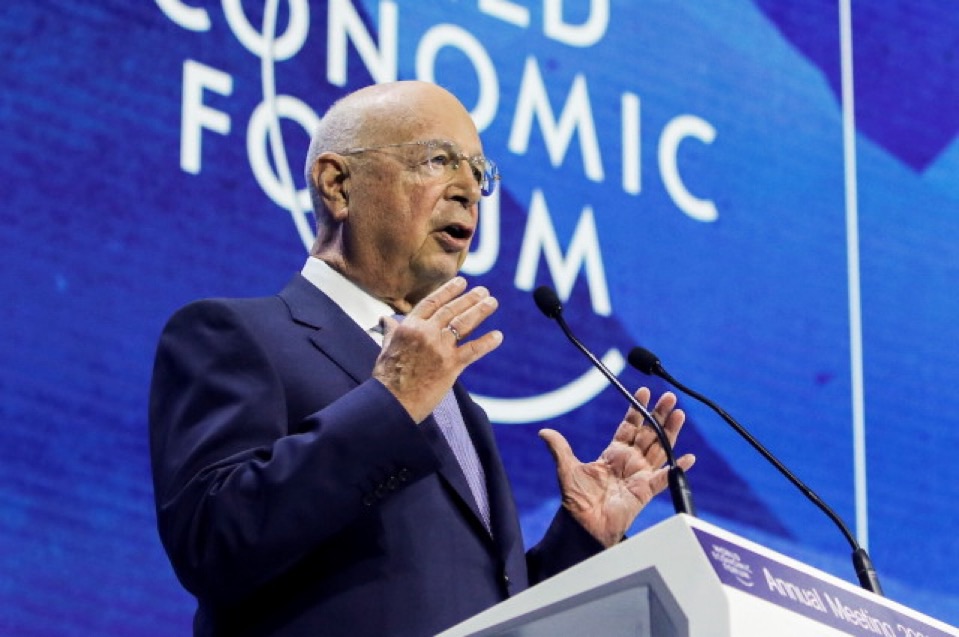
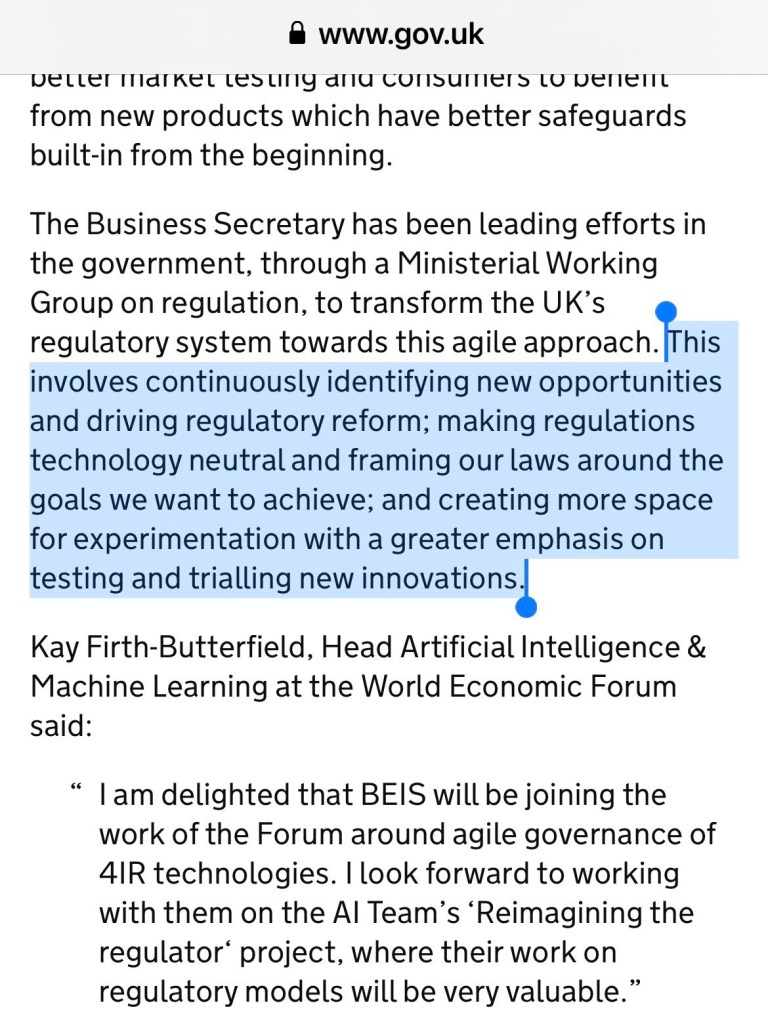
In recent years, the term “The Great Reset” has gained prominence, particularly in discussions surrounding the World Economic Forum (WEF) and its vision for a post-pandemic world. The initiative, launched in June 2020, aims to reshape economies and societies in the wake of COVID-19. However, as the WEF promotes this agenda, many critics express concerns regarding its implications for individual rights and national sovereignty, particularly in the United States.
Understanding The Great Reset
The Great Reset is framed as an opportunity to address systemic issues exacerbated by the pandemic, such as economic inequality, climate change, and social injustice. The WEF advocates for a collaborative approach involving government, business, and civil society to create a more sustainable and equitable world. Key components of the agenda include transitioning to a greener economy, leveraging technology for social good, and ensuring that economic recovery is inclusive.
While the intentions behind the Great Reset may appear noble, critics argue that it embodies a liberal global agenda that seeks to centralize decision-making power among a select group of stakeholders. This raises fundamental questions about the democratic process and the rights of citizens.
The Liberal Global Agenda
At its core, the liberal global agenda promotes the idea that global governance can address local and national issues more effectively than traditional state mechanisms. Proponents argue that challenges like climate change and pandemics are inherently global and require coordinated responses. However, this perspective often leads to the erosion of national sovereignty and individual rights, as decisions are made by unelected global elites rather than democratically elected representatives.
Critics contend that the Great Reset exemplifies this trend, suggesting that it prioritizes the interests of multinational corporations and global institutions over those of American citizens. The narrative suggests that stakeholders—ranging from powerful corporations to international organizations—will have a disproportionate influence on policy decisions that impact the lives of ordinary Americans.
Population Control and Societal Engineering
One of the more contentious aspects of the Great Reset is the perception that it involves elements of population control and societal engineering. While the WEF emphasizes sustainability and social equity, skeptics fear that these goals could justify intrusive measures that infringe on personal freedoms. Discussions surrounding public health, resource allocation, and social behavior can lead to government overreach if not carefully monitored.
The potential for a technocratic approach to governance, where decisions are made based on data and algorithms rather than democratic deliberation, poses a significant threat. It raises concerns about surveillance, loss of privacy, and the diminishing role of individual agency in shaping one’s own life.
The Danger to U.S. Citizens
For U.S. citizens, the implications of the Great Reset are particularly concerning. As the government and private sectors increasingly collaborate under the auspices of addressing global challenges, the balance of power may shift away from the electorate. Citizens could find themselves relegated to mere subjects of policy rather than active participants in the democratic process.
The emphasis on stakeholder capitalism, where corporations are expected to serve a broader set of interests beyond shareholder value, could lead to corporate influence overshadowing the will of the people. This scenario poses a danger not only to individual rights but also to the foundational principles of democracy in the United States.
Conclusion
While the Great Reset may be framed as a progressive vision for a better world, it is crucial for citizens to remain vigilant about the implications of such an agenda. The potential erosion of individual rights, the centralization of decision-making power, and the threat of a technocratic governance model warrant serious scrutiny.
As the world navigates a post-pandemic reality, it is vital for U.S. citizens to engage in the democratic process, advocate for transparency, and ensure that their voices are heard. The future of democracy depends on the active participation of its citizens, pushing back against any agenda that seeks to undermine their rights and freedoms in favor of a globalized vision.
 SlvmWrldWide Media
Leave a comment